ALABAMA’S SIGNATURE DISHES (AND WHERE TO TRY THEM IN MOBILE)
Updated May 2026
Quick fact: Alabama’s food didn’t come from cookbooks. It came from the Gulf, the cotton fields, the enslaved cooks, the Native peoples, and three centuries of French, Spanish, and British rule all layering on top of each other. Taste these dishes in the right places in Mobile, and you’re tasting history.
I’ve guided thousands of visitors through Mobile’s food scene, and the question I get most is simple: what should I eat? Here are Alabama’s signature dishes, what they are, where they come from, and exactly where you should go to taste them.
1. Gulf Oysters (Raw or Fried)
What it is: Raw oysters on the half shell, or fried golden and served with hot sauce and crackers. Mobile sits on Mobile Bay, and oysters have been harvested here since before Europeans arrived. Native peoples built enormous shell middens that still stand on Dauphin Island, piled high from centuries of oyster meals.
Why it matters: Oysters are Alabama’s most iconic protein. The flavor changes by season, winter oysters are briny and sweet, summer oysters are creamy. A proper oyster bar should shuck them in front of you.
Where to eat it: Wintzell’s Oyster House (605 Dauphin Street) has been serving them since 1938. Order them nude, fried, or stewed. It’s also a stop on our Downtown Mobile Food Tour.
2. Gumbo (the Real Kind)
What it is: A thick, dark stew built on a roux base (flour and fat cooked slowly until it’s nearly black), flavored with okra (which came from West Africa), the holy trinity of celery, onion, and bell pepper, and whatever protein is at hand, usually chicken, sausage, or seafood.
Why it matters: Gumbo is the oldest dish on this list, and the people living along the Mobile River were eating it long before New Orleans was even a city. Almost every ingredient represents a different culture that landed on these shores: okra from West Africa, file from the Choctaw, the roux from the French, the peppers from the Caribbean, and the seafood from the bay. It’s a dish born from collision and adaptation, and it tastes like the whole city at once.
Where to eat it: Order it at any credible restaurant in downtown Mobile. On the food tour, we dig into the history of gumbo and you’ll taste versions that have been served the same way for decades.
3. Shrimp and Grits
What it is: Plump Gulf shrimp, usually sauteed with butter, garlic, and sometimes a little Creole seasoning, served over creamy stone-ground grits. The dish marries Lowcountry cooking traditions with Gulf Coast ingredients.
Why it matters: This is the bridge between Southern tradition and Gulf Coast bounty. Grits are old, grits are humble, but when they’re stone-ground and made properly, they’re buttery and rich. The shrimp has to be fresh; frozen shrimp will let you down.
Where to eat it: Look for it at upscale restaurants downtown. The Downtown Mobile Food Tour often includes a shrimp stop depending on the season and which restaurants are at their best that day.
4. Fried Catfish
What it is: Fresh catfish, coated in cornmeal and fried until the outside is crispy and golden and the inside is flaky and mild. It’s served with sides like coleslaw, hush puppies (fried balls of cornmeal batter), and sweet tea.
Why it matters: Catfish is the working person’s fish. It’s been farmed across the region and eaten in Alabama forever. It’s affordable, it’s forgiving to cook, and when it’s done right, it’s delicious. It’s also a major part of the story of post-Civil-War economic recovery in the region.
Where to eat it: You’ll find good fried catfish at hole-in-the-wall spots and upscale restaurants alike. Ask a local, and they’ll point you to their favorite.
5. Mobile-Style Beignets
What it is: A beignet is a square of fried dough, pillowy on the inside, crispy on the outside, and absolutely covered in powdered sugar. Mobile’s version is lighter and often smaller than the New Orleans style, with less dough and more sugar surface. The best ones are fried to order.
Why it matters: New Orleans didn’t invent the beignet, Parisians did. But New Orleans claimed it, and Mobile perfected it. Mo’Bay Beignet Co. makes them fresh every day with homemade syrups, and they’re the finale of our Downtown Mobile Food Tour.
Where to eat it: Mo’Bay Beignet Co. (451 Dauphin Street) is the standard. Get there early; they sell out. Fair warning: you will end up covered in powdered sugar.
6. Crab (Soft-Shell or Boiled)
What it is: Soft-shell crab is a blue crab caught right after molting, when the shell is still tender. You can eat the whole thing, shell and all, usually fried or sauteed. Boiled crab is harder-shelled and eaten with crab picks and butter.
Why it matters: The Mobile-Tensaw Delta is one of the most productive crab habitats on the Gulf. Crab has always been a dietary staple here. There’s a reason it shows up in Mobile’s food scene year-round.
Where to eat it: Look for seasonal soft-shell crab at good seafood restaurants downtown in spring and early summer. On the tour, we’ll point you toward spots that have the best daily catch.
7. Red Beans and Rice
What it is: Dried red beans, cooked low and slow with sausage, onion, celery, and spices until they fall apart into a thick, savory stew, served over white rice. It’s traditionally a Monday dish, made with leftover sausage from the weekend.
Why it matters: Red beans and rice is African-American cooking at its finest. It’s made from humble ingredients and yet feeds whole families. It’s soul food, and it’s been part of the Mobile food tradition for generations.
Where to eat it: Any good Creole or soul food restaurant in downtown Mobile will have red beans and rice, especially on Mondays. It’s comfort food at its truest.
8. Crawfish (In Season)
What it is: These small freshwater crustaceans look like miniature lobsters. They’re boiled with spices and corn, usually served whole in a big pile, and you suck the meat out of the tail and head. It’s messy, it’s fun, and it’s a seasonal tradition.
Why it matters: Crawfish season (roughly December through June) is a celebration. In Louisiana and Alabama, crawfish boils are social events. You’re not just eating; you’re gathering.
Where to eat it: During crawfish season, look for boils at restaurants, bars, and community events around Mobile. Ask locals where the best boil is happening that week.
9. Po’Boy Sandwich
What it is: A po’boy is a sandwich on French bread, filled with fried seafood (usually oysters or shrimp) or roast beef, and dressed with lettuce, tomato, pickles, and mayo or remoulade.
Why it matters: The po’boy is a working-class sandwich born in New Orleans during the Depression, but it migrated to Mobile and became part of the local food scene. It’s fast food from a hundred years ago, and it’s still delicious.
Where to eat it: Look for it at casual restaurants and sandwich shops downtown. A good po’boy should have fresh bread that’s crispy outside and soft inside, and the filling shouldn’t be sparse.
10. Fried Green Tomatoes
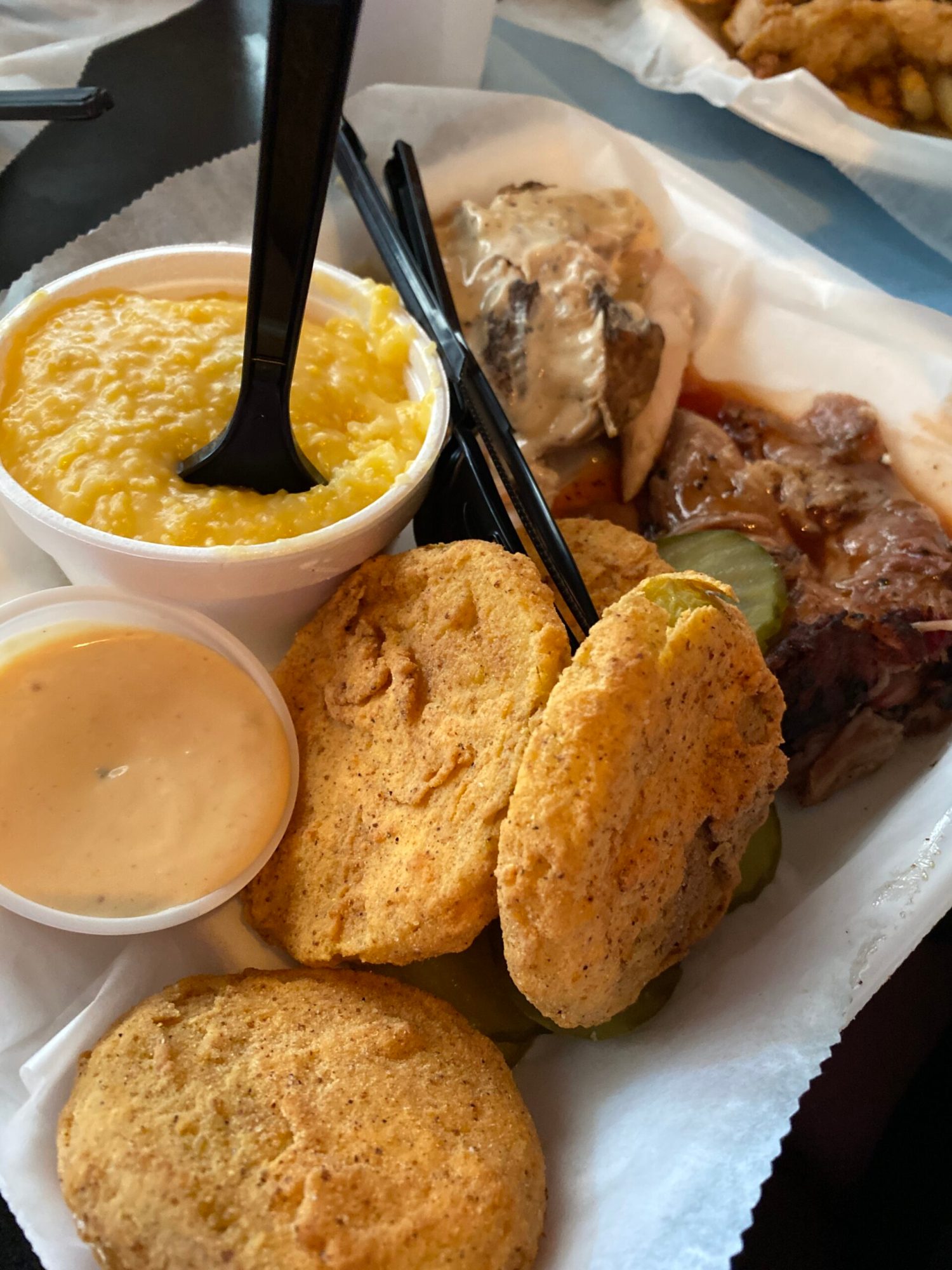
What it is: Unripe green tomatoes, sliced, dredged in cornmeal, and fried until they’re golden on the outside and creamy inside. Served with a sauce, sometimes ranch, sometimes a spicy remoulade.
Why it matters: Fried green tomatoes are a Southern classic, born from practical necessity (tomatoes ripening at summer’s end that won’t make it before frost). They’re tangy, they’re crispy, and they’re comfort food.
Where to eat it: You’ll find them at Southern restaurants and gastropubs downtown. They’re often a side or an appetizer rather than a main course, but they’re worth ordering.
The Food Tour Difference
Reading about these dishes is one thing. Tasting them while someone who’s eaten them their whole life tells you the story is another thing entirely. On the Downtown Mobile Food Tour, you’ll taste six or seven of these dishes across different restaurants in three hours, and you’ll understand not just what Alabama food is, but where it came from and why it tastes the way it does.
Ready to taste your way through Mobile?
Frequently Asked Questions
What food is Mobile, Alabama known for?
Mobile is known for fresh Gulf seafood, oysters, shrimp, crab, and catfish, prepared in Creole and Lowcountry styles. The city’s signature dishes reflect French, Spanish, African-American, and Native cooking traditions layered over 300+ years.
What is Alabama’s most famous dish?
Gumbo is arguably Alabama’s most iconic dish, built on a French roux base, Native-taught file and okra, and Gulf seafood. It’s also the dish that best represents Mobile’s history, born from the collision and adaptation of multiple cultures.
Where did gumbo come from?
Gumbo grew up along the Gulf Coast, in Mobile and French Louisiana, as French settlers adapted their cooking to Gulf ingredients with okra from West Africa and file from the Choctaw. People were eating it in Mobile long before New Orleans existed.
What are the best seafood restaurants in Mobile, Alabama?
Mobile’s best seafood restaurants cluster around Dauphin Street and downtown. Wintzell’s (oysters since 1938) is where locals send visitors. The best way to experience multiple restaurants at once is the Downtown Mobile Food Tour.
Free Download
Want the Stories Behind the Food?
7 Iconic Mobile Dishes and the Surprising Stories Behind Them
You just read what to eat. This free guide tells you the wild history behind the dishes that built Mobile, from the founder of Bienville Bites and author of A Culinary History of Mobile. Drop your email and it’s yours.
No spam, just good Mobile food stories. Unsubscribe anytime.
Written by Chris Andrews, founder of Bienville Bites Food Tour and author of A Culinary History of Mobile. Chris leads food tours through downtown Mobile and has tasted every dish on this list in the places that do it best.