THE CLOTILDA AND AFRICATOWN: JOYCELYN DAVIS’S STORY
Updated May 2026
The short version: In 1860, more than 50 years after the United States banned the international slave trade, the schooner Clotilda smuggled 110 captured Africans into Mobile, the last known slave ship to reach America. After emancipation, survivors built their own community just north of the city called Africatown. Joycelyn Davis is a direct descendant of those survivors, a leader in the Clotilda Descendants Association, and a voice featured in the Netflix documentary Descendant. This is her story, and theirs.
Some stories belong to a city. This one belongs to the world, and it happened here in Mobile. The story of the Clotilda and the community its survivors built is one of the most significant chapters in American history, and the people best equipped to tell it are the descendants who carry it forward. Joycelyn Davis is one of them.
We had the honor of sitting down with Joycelyn to hear her family’s history and her own remarkable journey. What follows is a small part of it.
The Last Slave Ship to America
The United States abolished the international slave trade in 1808. By 1860, importing enslaved people from abroad had been illegal for more than half a century. None of that stopped a wealthy Mobile businessman named Timothy Meaher, who reportedly wagered he could smuggle a shipload of captured Africans into the country without getting caught.
Meaher hired William Foster to captain the schooner Clotilda, disguised as a lumber boat. The ship sailed to the coast of West Africa, where 110 people, taken captive in the region’s wars, were forced aboard for a brutal Atlantic crossing. Of the survivors’ experience, words fall short. One of them, a young man named Kossola (later known as Cudjo Lewis), would describe the terror of the open ocean years later. After the Clotilda slipped into Mobile Bay under cover of night, the captives were divided among Meaher, his brothers, Foster, and other landowners, and the ship was burned to destroy the evidence.
The Clotilda lay hidden at the bottom of the muddy Mobile River for more than 150 years. In 2019, local journalist Ben Raines located the wreckage, confirming the story that descendants had kept alive for generations and drawing worldwide attention to Mobile and to Africatown.
Africatown: A Community Built From Nothing
When emancipation came, the Clotilda survivors were free, but they were also stranded thousands of miles from home with no way to return. So they did something extraordinary. They pooled their wages, bought land just north of Mobile, and built their own community, complete with a school, a church, and homes. They governed themselves, kept their own traditions, and held onto the languages and customs they had carried across the ocean. They called it Africatown.
It is one of the only communities in America founded by people who could trace their lineage directly back to a specific moment of arrival and to specific African ancestors. That is a rare and powerful inheritance, and it is the inheritance Joycelyn Davis works to preserve.
Joycelyn Davis and the Work of Remembering
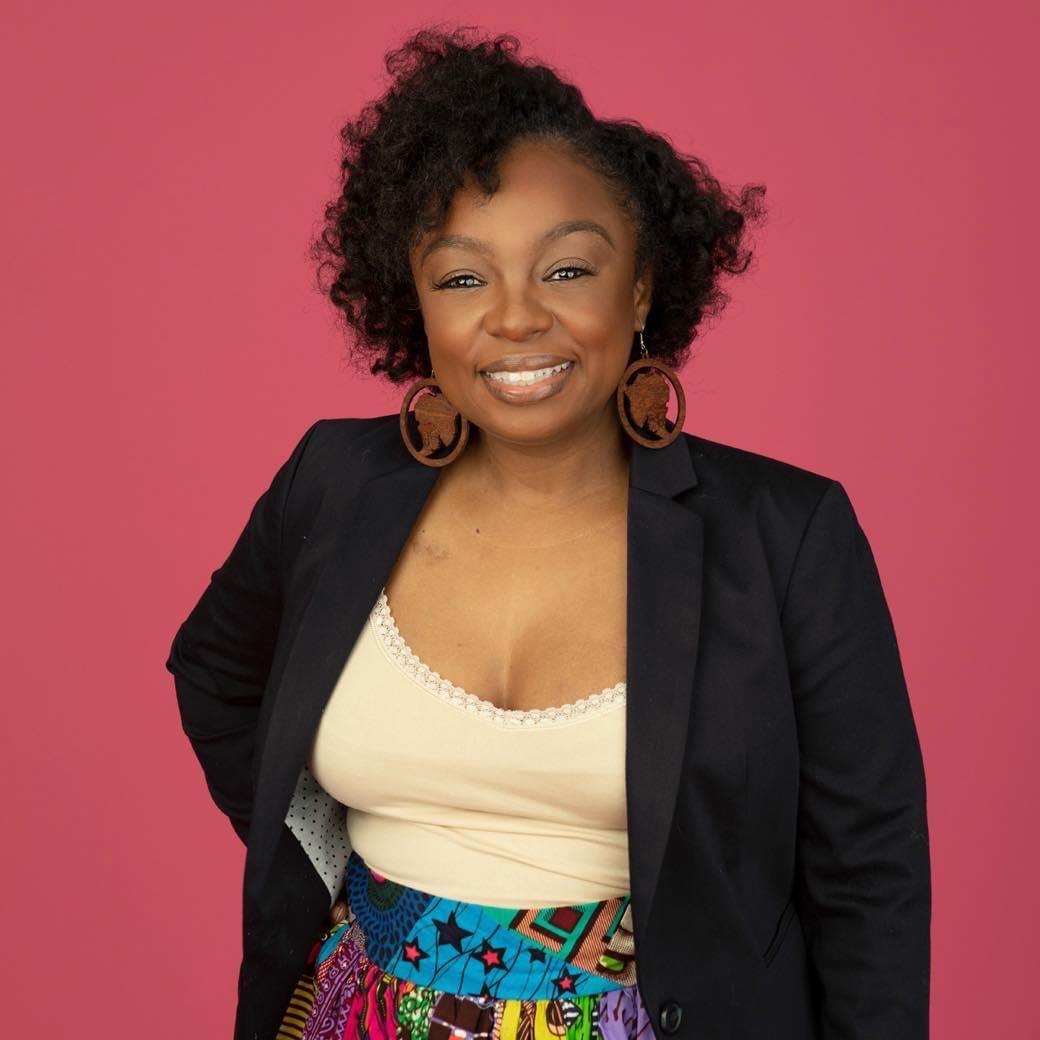
Joycelyn Davis grew up in Africatown, in a community she describes as strong and supportive, and she is a direct descendant of those who arrived on the Clotilda. As a leader in the Clotilda Descendants Association, her mission goes beyond the ship itself. As she puts it, the story is not just about how her ancestors got here, it is about the people they became and the community they built.
That mission has taken her around the world. She was featured in the acclaimed Netflix documentary Descendant, which brought the Africatown story to a global audience. She has traveled internationally for screenings, including one in London where she unexpectedly connected with a woman from her own hometown. And at the Martha’s Vineyard African American Film Festival, President Barack Obama and First Lady Michelle Obama made a surprise appearance. Joycelyn got to speak with President Obama, who offered her encouragement and advice for continuing her work.
She also discovered, on a televised genealogy show, that she is related to the musician and producer Questlove. And among all the history and the travel and the recognition, the memory she returns to is a simple one: picking blackberries with her grandmother in Africatown. That is the heart of what she is protecting. Not just a ship, but a home.
Visiting Africatown and the Clotilda Story
If this story moves you, and it should, there are ways to engage with it directly when you visit Mobile. The Africatown Heritage House, which opened in 2023, tells the story of the Clotilda and its survivors and houses artifacts recovered from the ship itself. The Netflix documentary Descendant is essential viewing. And Zora Neale Hurston’s Barracoon, drawn from her interviews with Cudjo Lewis, preserves a survivor’s account in his own words.
Mobile’s full story, the good and the painful, is one we believe everyone should know. It is woven through the city’s food, its streets, and its people, and it is part of what we share with visitors who want to understand where they are standing.
The Clotilda, Cudjo Lewis, and the founding of Africatown are covered in depth in A Culinary History of Mobile by Chris Andrews (The History Press), as part of the larger story of how Mobile’s people and history shaped its culture. The book is available here.
We first spoke with Joycelyn Davis for a conversation on our Port City Plate podcast. Listen to her story below!
Frequently Asked Questions
What was the Clotilda?
The Clotilda was the last known slave ship to bring enslaved Africans to the United States. In 1860, more than 50 years after the international slave trade was banned, it illegally smuggled 110 captured Africans into Mobile, Alabama. The ship was burned afterward to hide the crime, and its wreckage was located in the Mobile River in 2019.
What is Africatown?
Africatown is a community just north of Mobile, Alabama, founded after emancipation by survivors of the Clotilda. Unable to return to Africa, they bought land, built a school, a church, and homes, and preserved their African traditions and languages. It is one of the few American communities whose residents can trace their lineage directly to a known group of African ancestors.
Who is Joycelyn Davis?
Joycelyn Davis is a direct descendant of survivors of the Clotilda, a leader in the Clotilda Descendants Association, and a figure featured in the Netflix documentary Descendant. She grew up in Africatown and works to preserve and share the history of the Clotilda’s survivors and the community they built.
When was the Clotilda found?
The wreckage of the Clotilda was located in the Mobile River in 2019 by local journalist Ben Raines. The discovery confirmed the oral history that Africatown descendants had preserved for generations and brought renewed international attention to the community.
Can you visit Africatown in Mobile?
Yes. The Africatown Heritage House, which opened in 2023, tells the story of the Clotilda and its survivors and displays artifacts recovered from the ship. It is located in the Africatown community just north of downtown Mobile and is open to visitors who want to learn this history firsthand.
Written by Chris Andrews, founder of Bienville Bites Food Tour and author of A Culinary History of Mobile. The story of the Clotilda and Africatown is told in depth in the book. We are grateful to Joycelyn Davis for sharing her family’s history with us.