
WHO WAS BIENVILLE? THE MAN BEHIND MOBILE, ALABAMA
Updated May 2026
If you have ever taken one of our tours, you have probably heard us say the word “Bienville” about a hundred times. And if you are visiting Mobile for the first time, there is a good chance you assumed the city itself was named Bienville. It happens all the time, and it is a fair guess. The name is everywhere down here.
So let’s clear it up, because the real story is better than the mix-up.
The city is Mobile. Bienville is the man. And he is one of the most important figures in the entire history of the Gulf Coast, even if most people outside of Alabama and Louisiana have never heard his name.
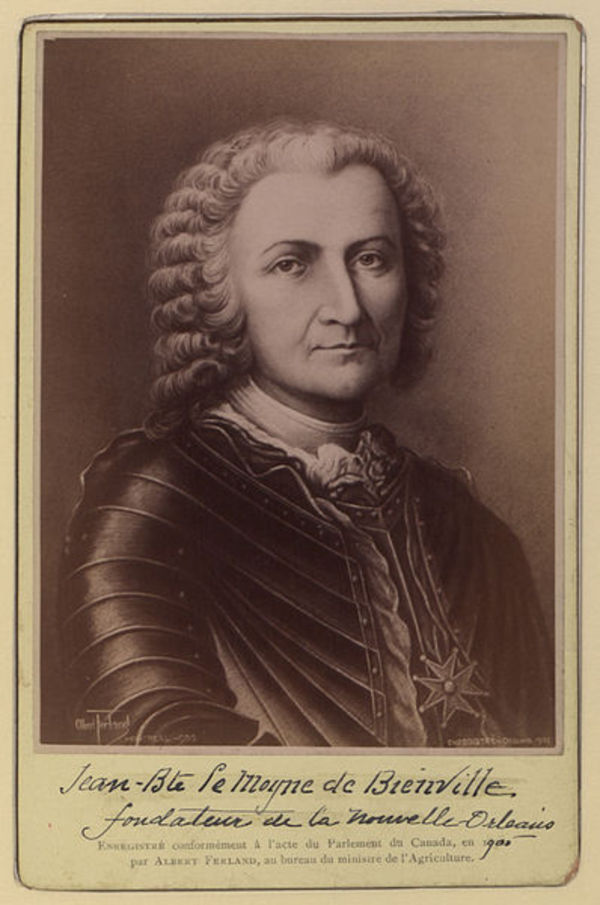
The short version: Jean-Baptiste Le Moyne de Bienville was a young French-Canadian explorer who helped plant the French flag on the Gulf Coast in the early 1700s. He had a hand in founding the settlement that became Mobile, he guided it through its hardest early years, and he later went on to found New Orleans in 1718. He was the guiding force behind two of the most culturally rich cities in America.
That is why our food tour is called Bienville Bites. We are not named after the city. We are named after the man who started it all.
A Tattooed Twenty-Something Running a Colony
Here is the part that surprises people. When Bienville arrived to help lead the Mobile settlement, he was barely in his twenties.
He was born in Montreal in 1680, one of a large and ambitious family of brothers. He joined the French navy as a boy, fought in battles up in Newfoundland and Hudson Bay, and took a wound in combat before he was out of his teens. By the time he made his way down to the Gulf Coast, he already had more life experience than most people pack into a lifetime.
He was also, by several accounts, tattooed in the style of the Native nations he worked alongside, and he had a real gift for languages and diplomacy. While a lot of European colonizers struggled to communicate with the people who already lived here, Bienville learned to talk with them, negotiate with them, and build the alliances that kept the fragile young colony alive.
Picture that for a second. A young man in his twenties, far from home, learning new languages, managing a struggling outpost, and somehow holding it all together. That is who Mobile’s story starts with.
Founder, or Guiding Hand? The Honest Answer
You will sometimes hear Bienville called the founder of Mobile, and you will sometimes hear that title given to his older brother, Pierre Le Moyne d’Iberville. So which is it?
The honest answer is that it was a family operation. Iberville was the famous one, the celebrated naval hero who led the expeditions and is often credited as Mobile’s founder and first governor. Bienville was the younger brother left in command on the ground, the one who actually scouted the site, ran the day to day, and kept the colony going for decades.
So if Iberville lit the match, Bienville is the one who tended the fire. He is the name woven through Mobile’s earliest decades, and he is the through line connecting Mobile to New Orleans. That is why, to a lot of locals, he is the one who feels like the true founding figure of our city.
Old Mobile and the Big Move
The Mobile you visit today is not actually where the city started.
The first French settlement, founded in 1702, sat well upriver at a spot known as Twenty-Seven Mile Bluff. They called it Fort Louis de la Mobile, and for a few years it served as the capital of the entire French colony of Louisiana. Mobile was the capital before New Orleans even existed.
Life up there was rough. The settlers dealt with constant flooding, disease, and conflict. Eventually the original fort was damaged beyond saving, and it was Bienville who convinced everyone to pack up and move the city down closer to the mouth of the bay, to roughly where downtown Mobile sits today. So the location you walk through on our tours, the streets and the riverfront, exists in large part because Bienville made the call to move it there.
Why the Name “Mobile,” Not “Bienville”
Since this is the question that trips up so many visitors, let’s answer it directly.
The Le Moyne brothers named the settlement after a group of Native people who lived in the area, whose name came through as “Mobile.” Interestingly, the French word “mobile” also means movable or changeable, which made one of the king’s ministers a little nervous about the name. But it stuck. And given that the city literally got up and moved itself downriver a few years later, you could say the name turned out to be fitting.
So the city honored the people who were here first. And over time, Mobile honored its founding figure by putting his name on streets, squares, and yes, a food tour.
Meet Bienville on the Tour
This is the stuff we love. Every restaurant, every old building, every street corner downtown sits on top of three hundred years of history, and it all traces back to a tattooed young Frenchman who bet everything on a muddy bluff along the Mobile River.
When you join us for a Bienville Bites Food Tour, you are not just eating great food from our local partners. You are walking through the city that Bienville built, hearing the stories most visitors never get, and finally understanding why his name is on our sign.
Come hungry. Come curious. We will handle the rest.
Walk the city Bienville built.
Three hours, six restaurants, and 300 years of Mobile history, told by a local guide who loves this stuff.
Frequently Asked Questions
Who was Bienville?
Jean-Baptiste Le Moyne de Bienville (1680 to 1767) was a French-Canadian explorer and colonial administrator. He helped establish the early French settlement that became Mobile, Alabama, guided the colony through its difficult early decades, and later founded New Orleans in 1718. He is considered one of the most important founding figures of the Gulf Coast.
Is Mobile, Alabama named after Bienville?
No. The city is named Mobile, after a group of Native people who lived in the area. Bienville is the man who helped found and lead the settlement. The Bienville Bites Food Tour is named after the man, not the city.
Did Bienville found Mobile or did his brother Iberville?
It was a family effort. Pierre Le Moyne d’Iberville, the older brother, led the expeditions and is often credited as Mobile’s founder and first governor. Jean-Baptiste de Bienville, the younger brother, was left in command on the ground, scouted the site, ran daily operations, and kept the colony going for decades. Many locals consider Bienville the true founding figure of the city.
Where was Mobile originally located?
The first French settlement, Fort Louis de la Mobile, was founded in 1702 at Twenty-Seven Mile Bluff, well upriver from today’s downtown. After years of flooding and hardship, Bienville led the move of the city closer to the mouth of Mobile Bay, to roughly where downtown Mobile sits today.
Why is the food tour called Bienville Bites?
The tour is named for Jean-Baptiste de Bienville, the founding figure behind Mobile. The name honors the man who scouted, built, and held together the city you walk through on the tour, where 300 years of food and history come together.
Free Download
More Mobile History Like This
7 Iconic Mobile Dishes and the Surprising Stories Behind Them
If you liked the story of Bienville, you’ll love this. Seven iconic Mobile dishes and the wild histories behind them, from the founder of Bienville Bites and author of A Culinary History of Mobile. Drop your email and it’s yours.
No spam, just good Mobile food stories. Unsubscribe anytime.
Written by Chris Andrews, founder of Bienville Bites Food Tour and author of A Culinary History of Mobile. The story of Bienville and Mobile’s founding is woven through every tour we run.